
🥛Atole Recipe: How to Make Mexican Atole (Plus Every Flavor)
Atole is a warm, thick Mexican drink made from corn, and people in Mexico have been drinking it since pre-Hispanic times. Today it's made with masa or with cornstarch (Maizena), milk or water, sugar or piloncillo, and whatever flavor you like best: vanilla, strawberry, chocolate, cajeta. A homemade vanilla atole is ready in about 15 minutes, and all it asks is that you keep stirring.
Updated · 6 min read · By the MexGoodies team
In this guide ▾
Recipe
Makes 4 cups · Prep 5 min · Cook 15 min
Ingredients
- 4 cups whole milk
- 1/4 cup cornstarch, such as plain Maizena
- 1/3 cup sugar, or to taste
- 1 cinnamon stick
- 1 teaspoon vanilla extract
Instructions
- 1.Set aside 1 cup of the milk while it's still cold and whisk the cornstarch into it until completely smooth.
- 2.In a pot, heat the remaining 3 cups of milk with the cinnamon stick and sugar over medium heat, stirring now and then, until hot and the sugar dissolves, about 5 minutes. Don't let it boil yet.
- 3.Lower the heat to medium-low and slowly pour in the cornstarch mixture, stirring constantly with a whisk or a wooden spoon.
- 4.Keep stirring and scraping the bottom for 5 to 8 minutes, until the atole comes to a gentle boil and thickens.
- 5.Turn off the heat, remove the cinnamon stick and stir in the vanilla.
- 6.Taste for sweetness and serve hot. If it gets too thick as it sits, loosen it with a splash of hot milk.
What you need, shipped to your door
What is atole?
Atole is Mexico's quintessential corn drink. It's made by cooking corn (as masa or as cornstarch) in water or milk until it thickens, then sweetening and flavoring it. Depending on how much corn goes in and how each family likes it, the texture ranges from light, almost like milk, to thick and creamy enough to sip slowly from a mug.
It's a breakfast drink and a dinner drink, sold at the tamal stand on the corner and simmered in grandma's pot at home. People drink it all year, but the cold months, November through February, are when everyone craves it: Día de Muertos, the posadas, Christmas, Three Kings Day and Candelaria always have a pot of atole close by.
Where does atole come from?
The word atole comes from the Nahuatl atolli, and the drink is far older than the Spanish word: in Mesoamerica people were already drinking corn this way before the Spanish arrived, sometimes sweetened with honey or mixed with chile or cacao. After the conquest came milk, cane sugar and cinnamon, and atole gradually turned into the sweet drink we know today.
Every region has its own. In central Mexico there's chileatole, a savory atole with chile and corn kernels; in many places people make atole de elote with fresh corn during harvest season; and almost everywhere in Mexico, chocolate atole, better known as champurrado, rules the cold months.
What's the difference between masa atole and Maizena atole?
There are two main ways to make atole, and both count. Cornstarch became so common in Mexico that plenty of people simply call atole “una Maizena,” but the original is made with masa:
- Masa atole: made with nixtamalized corn masa (or masa harina like Maseca) dissolved in water. It tastes of corn, it's heartier and more rustic, and it's the base for champurrado.
- Cornstarch atole: the Maizena kind. Cornstarch is the starch of the corn kernel, a very fine white powder that thickens without any masa flavor. It comes out silky and smooth, and it's the one most people make at home for flavored atoles.
- Which one to pick? For vanilla, strawberry or cajeta, cornstarch is the easy route. If you want that deep corn flavor, go with masa.
Masa atole
The original
- Nixtamalized corn masa or masa harina like Maseca
- Dissolved in water
- Tastes of corn: heartier and more rustic
- The base for champurrado
Cornstarch atole (Maizena)
The go-to for flavored atoles
- Cornstarch is the starch of the corn kernel, a fine white powder
- Thickens without any masa flavor
- Comes out silky and smooth
- The easy route for vanilla, strawberry or cajeta
What flavors of atole are there?
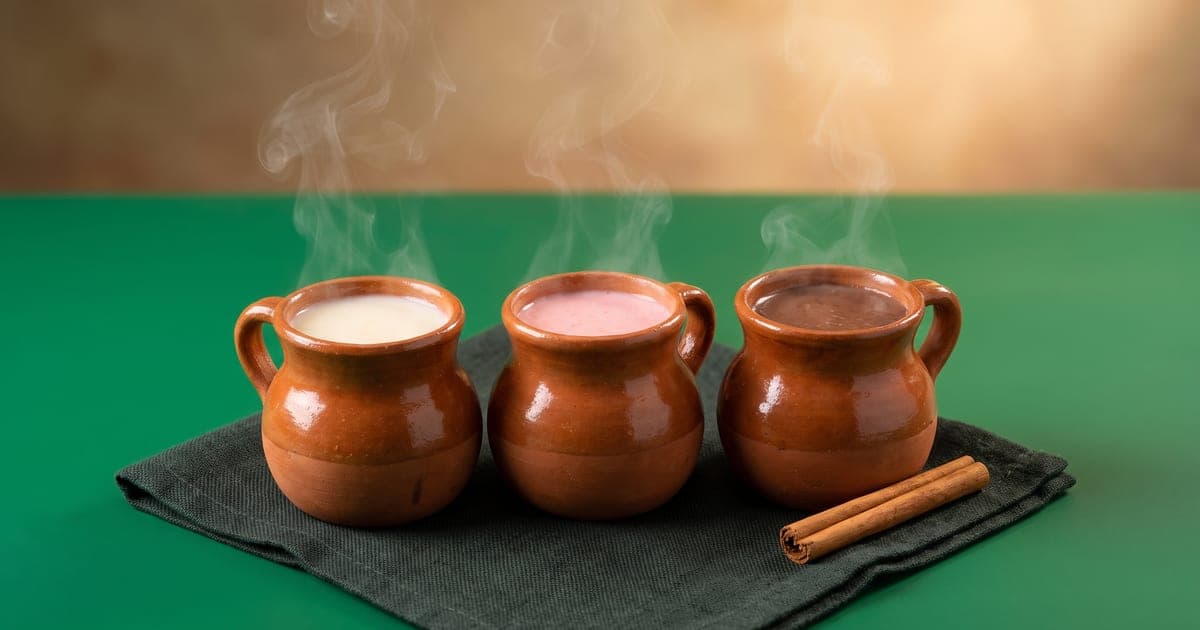
The list is long, and every family has a favorite. In packets, Maizena makes vanilla, strawberry, chocolate, cajeta, arroz con leche, pecan and coconut, among others, while the fruit ones are made from scratch with fruit from your grocery store. These are the classics:
- Vanilla: the basic one, mild and fragrant. It's the recipe below.
- Strawberry: pink, sweet and a kid favorite.
- Chocolate: silky when made with cornstarch; made with masa, it becomes champurrado.
- Cajeta: with the flavor of Mexico's goat milk caramel.
- Arroz con leche: cinnamon-scented, like the rice pudding but in a mug.
- Pecan and coconut: two old favorites, a little richer and sweeter.
- Fruit: guava, pineapple or blackberry, made with real fruit in season.
How do you make atole from a Maizena packet?
Packet atole is the fastest way to get a hot pot on the table: the flavor and color are already in the powder, and you bring the milk and the stirring arm. With a packet or without, the secret never changes: cornstarch dissolves in cold liquid and thickens when it boils. Dump it into hot milk without dissolving it and you get lumps; take it off before it boils and your atole stays thin. Here's how:
Step 1: Read the package
It tells you how much milk the packet needs and whether to add sugar.
Step 2: Dissolve it cold
Whisk the powder into a cup of that milk, cold, until there are no lumps.
Step 3: Heat and pour in slowly
Heat the rest of the milk over medium and pour in the mixture slowly, stirring the whole time.
Step 4: Stir until it boils
Keep stirring and scraping the bottom until it comes to a boil and thickens, about 5 minutes.
Step 5: Serve hot
If it thickens too much as it sits, add a splash of milk.
What do you serve with atole?
Atole and tamales have always gone together. In Mexico, the morning tamal stands sell them side by side, and in Mexico City the guajolota, a tamal tucked into a bolillo roll, is breakfast with a cup of atole. During the holidays, a tamalada without atole just isn't complete.
It's also great with pan dulce for dunking, with Marías cookies, or with buñuelos at Christmas. And for dinner, a warm mug of atole with a piece of sweet bread is one of those simple things that tastes like home.
Where can you buy Maizena atole in the U.S.?
MexGoodies carries Maizena atole packets in the classic flavors, plain Maizena cornstarch for homemade atole, and the other cold-weather staples like Mexican table chocolate and masa harina. Everything is an original product from Mexico, and we ship anywhere in the U.S. in 3 to 7 days (Canada too).
Frequently asked questions
Are atole and champurrado the same thing?
Champurrado is a type of atole: masa atole made with chocolate. Every champurrado is an atole, but not every atole is champurrado.
Can you make atole with water instead of milk?
Yes. Masa atole is traditionally made with water, and cornstarch atole can be too, though it comes out less creamy. Half water and half milk is a good middle ground.
Why is my atole thin or lumpy?
Thin means it never boiled: cornstarch has to come to a boil to thicken. Lumpy means the starch went in undissolved or without stirring, so always dissolve it in cold liquid and keep stirring.
How long does leftover atole keep?
Covered in the fridge, a couple of days. It thickens a lot when cold, so reheat it over low heat with a splash of milk, stirring.
What does “dar atole con el dedo” mean?
It's a Mexican saying. To “give someone atole with your finger” means to string them along with very little, like letting someone taste the atole off your fingertip instead of serving them a full mug.
Craving it already? 😏
More recipes & guides
See all →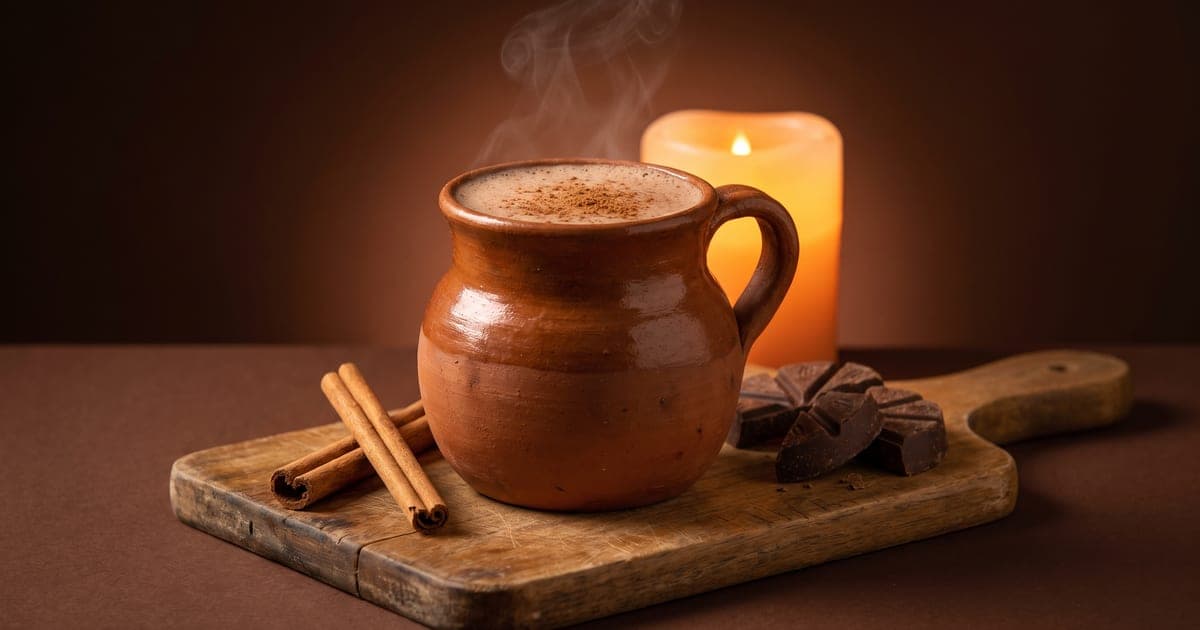 Drinks
Champurrado Recipe: How to Make Thick Mexican Chocolate Atole
 Drinks
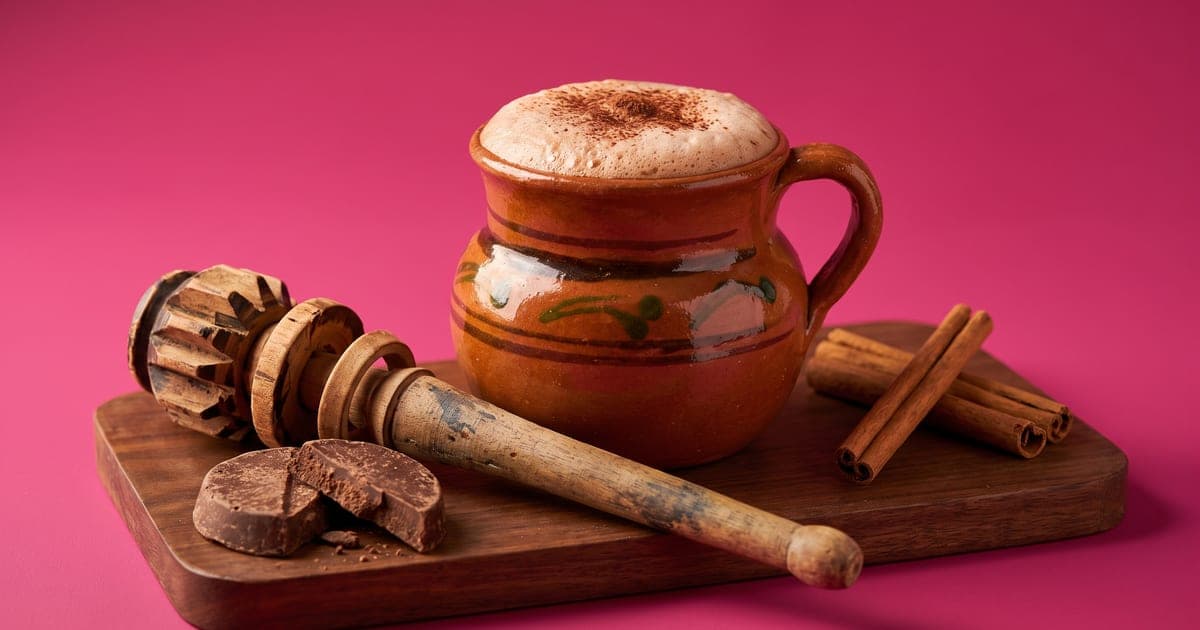
Mexican Hot Chocolate: How to Make Abuelita Hot Chocolate
 Drinks
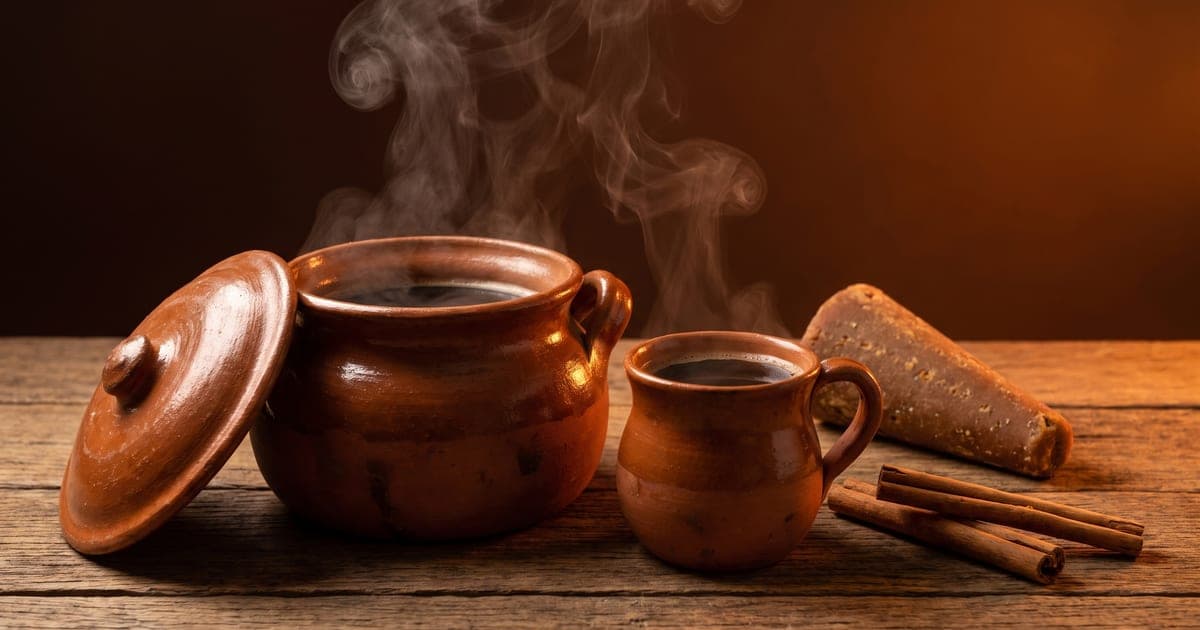
Café de Olla: Traditional Mexican Coffee with Piloncillo and Cinnamon
 Drinks
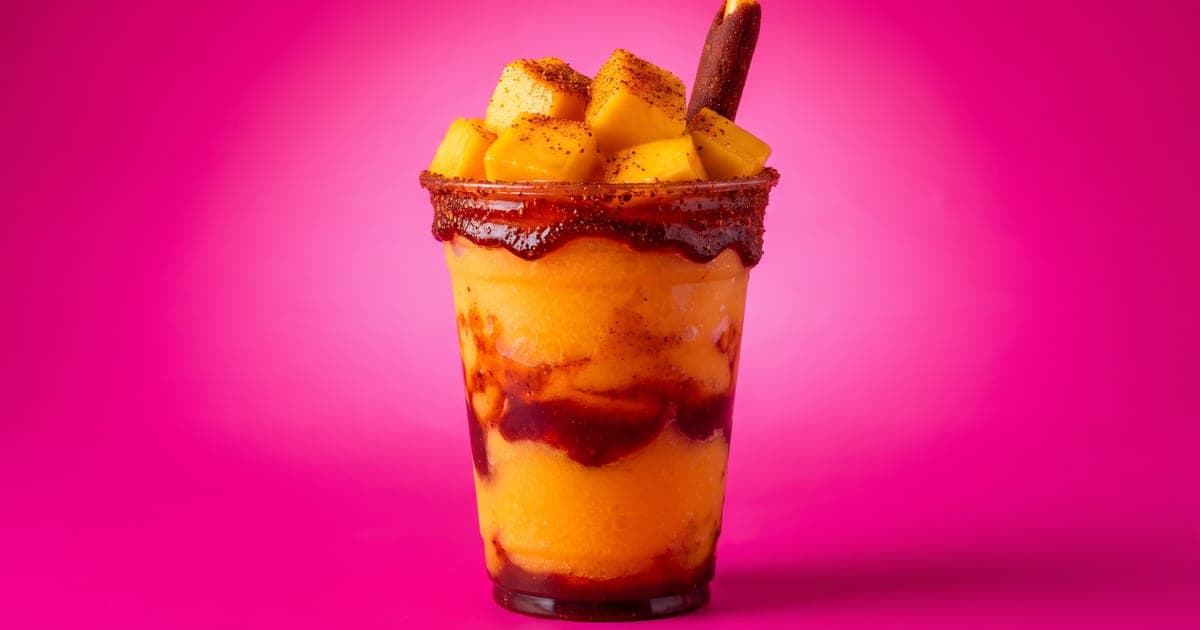
Mangonada Recipe: How to Make a Mango Chamoy Slush at Home
 Drinks
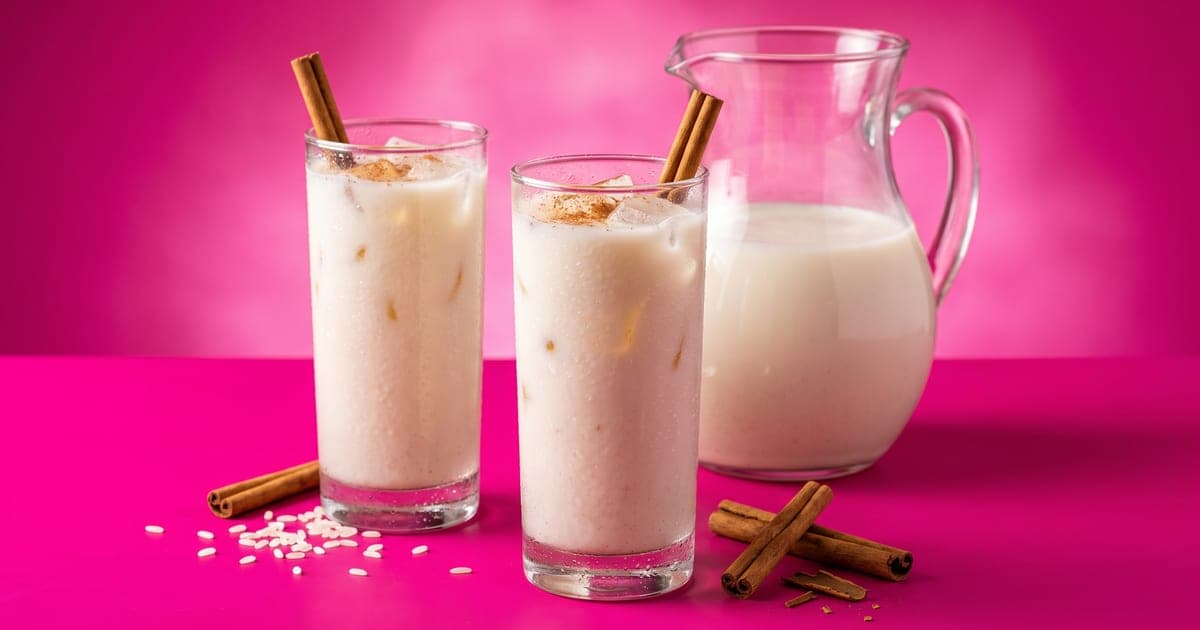
Mexican Horchata Recipe: How to Make Creamy Horchata at Home
 Candy & desserts
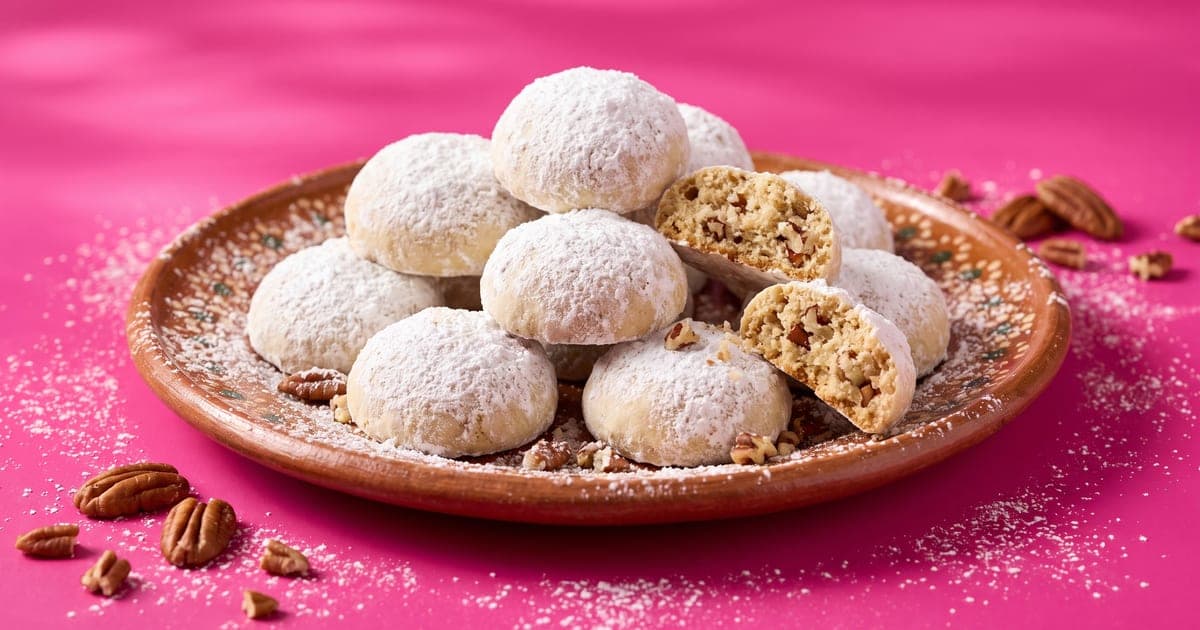
Mexican Wedding Cookies (Polvorones): An Easy Homemade Recipe