
☕Champurrado Recipe: How to Make Thick Mexican Chocolate Atole
Champurrado is a thick, warm Mexican drink made from masa (corn dough) and Mexican chocolate, sweetened with piloncillo and spiced with cinnamon. To make it, you whisk masa harina into water, strain it into a pot with milk, Abuelita chocolate and piloncillo, and stir for about 10 minutes until it thickens. It's the cold-weather drink of Mexico, from Día de Muertos through Three Kings Day, and it almost always shows up next to a plate of tamales.
Updated · 6 min read · By the MexGoodies team
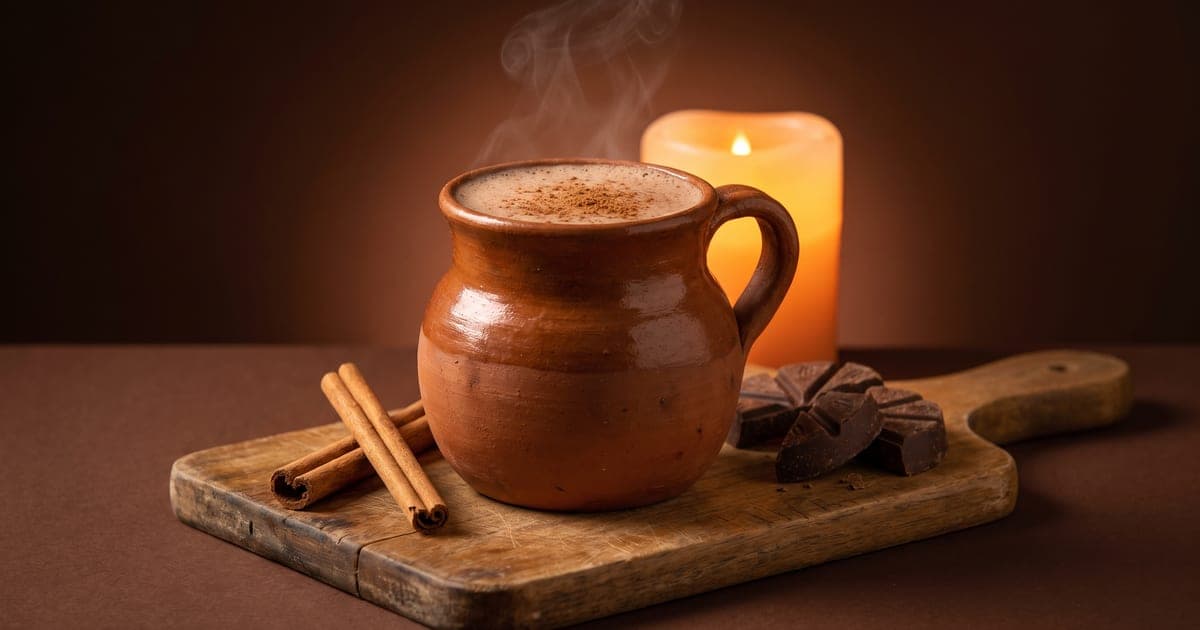
In this guide ▾
Recipe
Makes 6 cups · Prep 10 min · Cook 25 min
Ingredients
- 1/2 cup masa harina, such as Maseca
- 4 cups water, divided
- 2 cups whole milk
- 1 tablet Abuelita Mexican chocolate
- 1/2 cup chopped or grated piloncillo (about 3.5 ounces), or to taste
- 1 cinnamon stick, about 3 inches long
Instructions
- 1.In a medium pot, combine 2 cups of the water with the cinnamon stick and piloncillo. Heat over medium until the piloncillo fully dissolves, about 8 minutes.
- 2.Meanwhile, whisk the masa harina into the remaining 2 cups of water (cool or lukewarm) until there are no lumps at all. A few seconds in the blender works too.
- 3.Add the milk and the chocolate, broken into pieces, to the pot. Stir until the chocolate melts, about 5 minutes, without letting it come to a hard boil.
- 4.Lower the heat to medium-low. Pour the masa mixture into the pot through a fine-mesh strainer, stirring with your other hand as you pour.
- 5.Cook, stirring often and scraping the bottom with a wooden spoon, for 10 to 12 minutes, until it thickens and coats the back of the spoon.
- 6.Taste and adjust: cook it a few minutes longer for a thicker champurrado, or loosen it with a splash of hot milk. Add more piloncillo if you want it sweeter.
- 7.Remove the cinnamon stick. If you have a molinillo, whisk for a minute to raise a little foam, then serve piping hot in mugs.
What you need, shipped to your door
What is champurrado?
Champurrado is chocolate atole. Atole is Mexico's family of warm corn drinks, and champurrado is the chocolate member of the family: nixtamalized corn masa (or masa harina, like Maseca) gives it body, while Mexican table chocolate, piloncillo and cinnamon give it flavor. It comes out thick and velvety, somewhere between hot chocolate and a pourable pudding, and it's filling enough that in a lot of homes a mug of champurrado and a tamal counts as dinner.
The name is usually traced to champurrar, a Spanish word for mixing, which is exactly what happens in the pot: the corn and the chocolate become one thing. In some regions people simply call it atole de chocolate, or chocolate atole.
What's the difference between champurrado, atole and Mexican hot chocolate?
All three are served hot during the cold months, so they get mixed up a lot. In short, every champurrado is an atole, but not every atole is champurrado, and Mexican hot chocolate is something else entirely. The difference comes down to what thickens them:
- Atole: the whole family. A corn drink thickened with masa or cornstarch, in flavors like vanilla, strawberry, guava or pecan.
- Champurrado: an atole made with masa and chocolate. It has both corn and chocolate, which makes it the thickest and most filling of the three.
- Mexican hot chocolate: table chocolate melted into milk or water and frothed with a molinillo. No corn, so it stays light and foamy, never thick.
Atole
The whole family
- A corn drink
- Thickened with masa or cornstarch
- Vanilla, strawberry, guava, pecan and more
Champurrado
Masa atole with chocolate
- Made with corn and table chocolate
- Sweetened with piloncillo, spiced with cinnamon
- The thickest and most filling of the three
Mexican hot chocolate
No corn
- Table chocolate melted into milk or water
- Frothed with a molinillo
- Light and foamy, never thick
Where does champurrado come from?
Corn and cacao are two of Mexico's oldest ingredients. Long before the Spanish arrived, people in Mesoamerica drank corn beverages (the word atole comes from the Nahuatl atolli) and cacao beverages, and combining the two was nothing unusual. What changed after the conquest was the flavor: cinnamon, cane sugar (the source of piloncillo) and milk arrived later and shaped the champurrado we know today.
That's why every region and every family makes it a little differently. Some make it with water only, the old way, and some use milk for a creamier cup. Some add anise, some sweeten it with white sugar, and some won't hear of anything but piloncillo. The recipe here is the most common home version, the one that comes out of a big pot on a cold Sunday.
How do you make champurrado without lumps?
Lumps are champurrado's number one enemy. The good news is that a few old kitchen tricks keep them away, and if the thickness isn't right on the first try, it's almost always fixable:
- Dissolve the masa harina in cold or lukewarm water, never boiling. Whisk it well or give it a few seconds in the blender.
- Strain it into the pot. The strainer catches any little lumps that slipped through.
- Pour slowly and keep stirring. One hand pours, the other stirs.
- Keep the heat at medium-low and use a wooden spoon, scraping the bottom. Masa sticks easily, and if it scorches, the whole pot tastes burnt.
- Be patient: it thickens in about 10 minutes. Cranking up the heat to hurry it just makes it stick before it thickens.
- Take it off the heat a little early, since it keeps thickening as it cools. Too thick? A splash of hot milk fixes it. Too thin? Give it a few more minutes on the stove.
- water to dissolve the masa harina, never boiling
- Cold or lukewarm
- into the pot, to catch any little lumps
- Strained
- heat, with a wooden spoon scraping the bottom
- Medium-low
- to thicken, without cranking up the heat
- 10 min
When is champurrado served, and what goes with it?
Champurrado is a cold-weather drink. It shows up on Día de Muertos next to pan de muerto, at the December posadas, at Christmas dinner and on January 6, Three Kings Day, when the rosca is cut. Then it comes back on February 2, Día de la Candelaria, when whoever found the little baby figurine in the rosca has to treat everyone to tamales.
Its natural partner is the tamal: rajas, salsa verde, sweet, any kind. In Mexico City there's even the guajolota, a tamal tucked into a bolillo roll and eaten for breakfast with a cup of atole or champurrado. It's also great with pan dulce, with Marías cookies for dunking, or just on its own on a cold afternoon with family.
Where can you buy champurrado ingredients in the U.S.?
The only hard part about making champurrado far from Mexico is rounding up the right ingredients. Regular masa harina for tortillas works perfectly (no fresh masa needed), but Mexican table chocolate and piloncillo aren't always at the grocery store down the street.
MexGoodies carries Maseca, Abuelita chocolate, piloncillo and cinnamon sticks, all original products from Mexico, and ships anywhere in the U.S. in 3 to 7 days (Canada too). And on days when there's no time to cook, Maizena chocolate atole is a tasty shortcut: it's thickened with cornstarch rather than masa, so it isn't true champurrado, but it hits the spot in ten minutes.
Frequently asked questions
Is champurrado made with milk or water?
Both are traditional. Water-only champurrado is lighter and tastes more of corn, while milk makes it creamier. This recipe uses a mix of both.
Can you make champurrado with Maseca?
Yes. Masa harina like Maseca is the easiest way to make champurrado in the U.S. Fresh masa from a tortillería works too: dissolve it in water the same way and adjust the amount until you like the thickness.
What chocolate is best for champurrado?
Mexican table chocolate, which already comes sweetened and cinnamon-flavored, like Abuelita. If you use unsweetened chocolate or cocoa powder, you'll need more piloncillo and an extra cinnamon stick.
How long does champurrado keep, and how do you reheat it?
Covered in the fridge, it keeps for a couple of days. Cold, it sets almost like pudding, so warm it over low heat with a splash of milk, stirring until it loosens up.
Is champurrado the same as packaged chocolate atole?
Almost. Champurrado is chocolate atole made with masa. Packaged chocolate atole, like Maizena's, is thickened with cornstarch: it tastes similar but comes out smoother and lighter.
Craving it already? 😏
More recipes & guides
See all →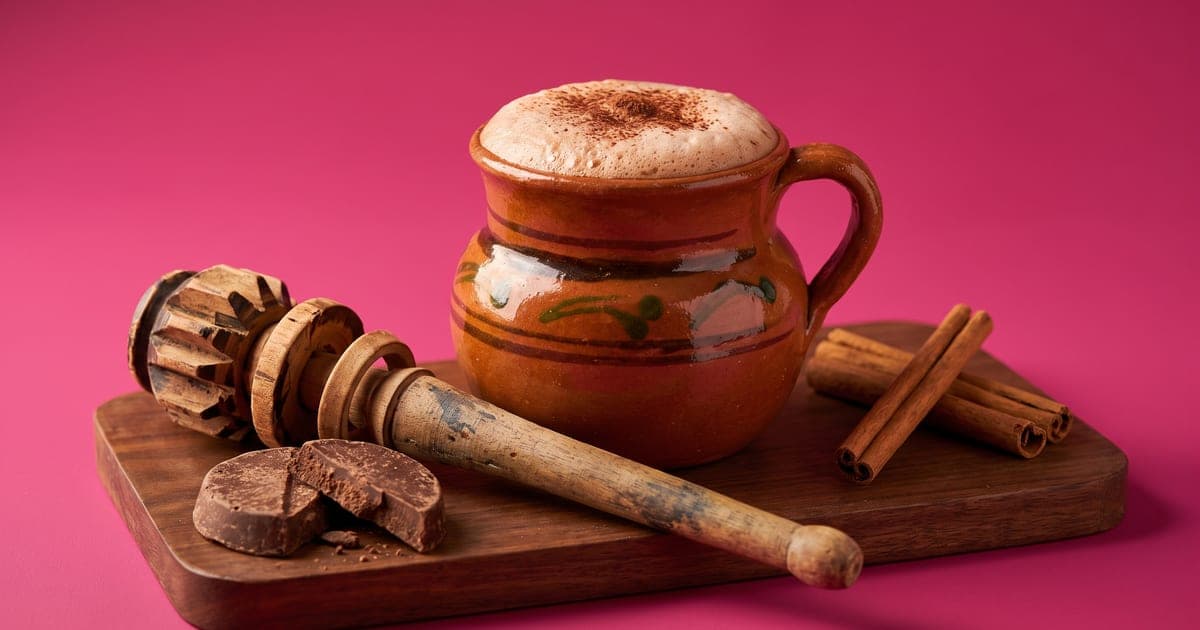 Drinks
Mexican Hot Chocolate: How to Make Abuelita Hot Chocolate
 Drinks
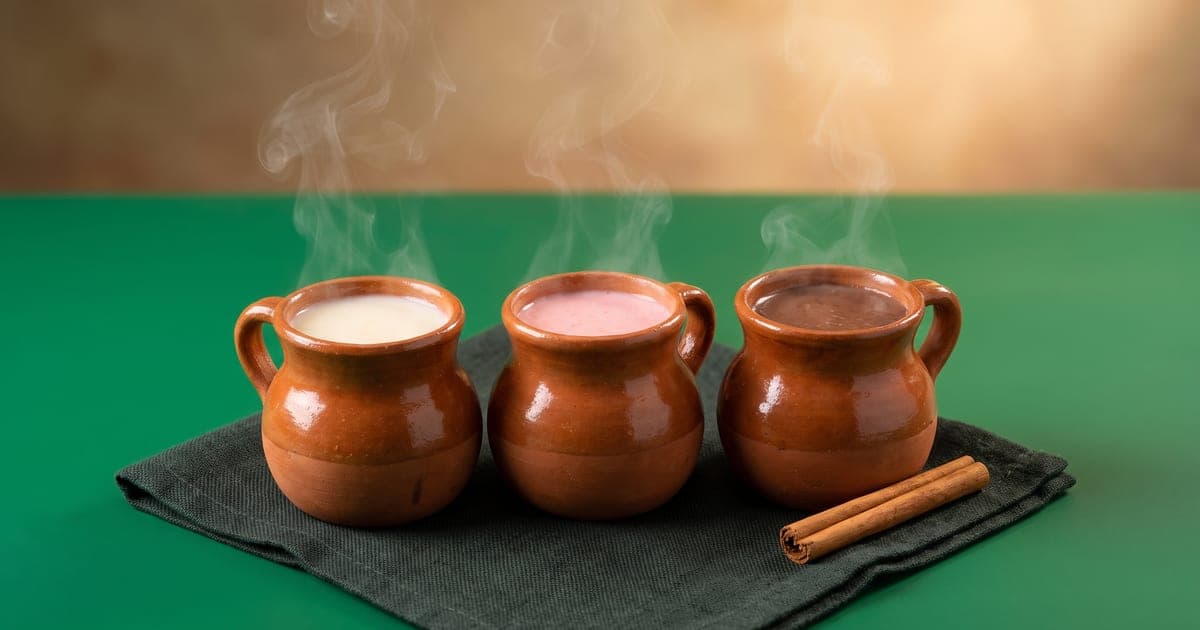
Atole Recipe: How to Make Mexican Atole (Plus Every Flavor)
 Drinks
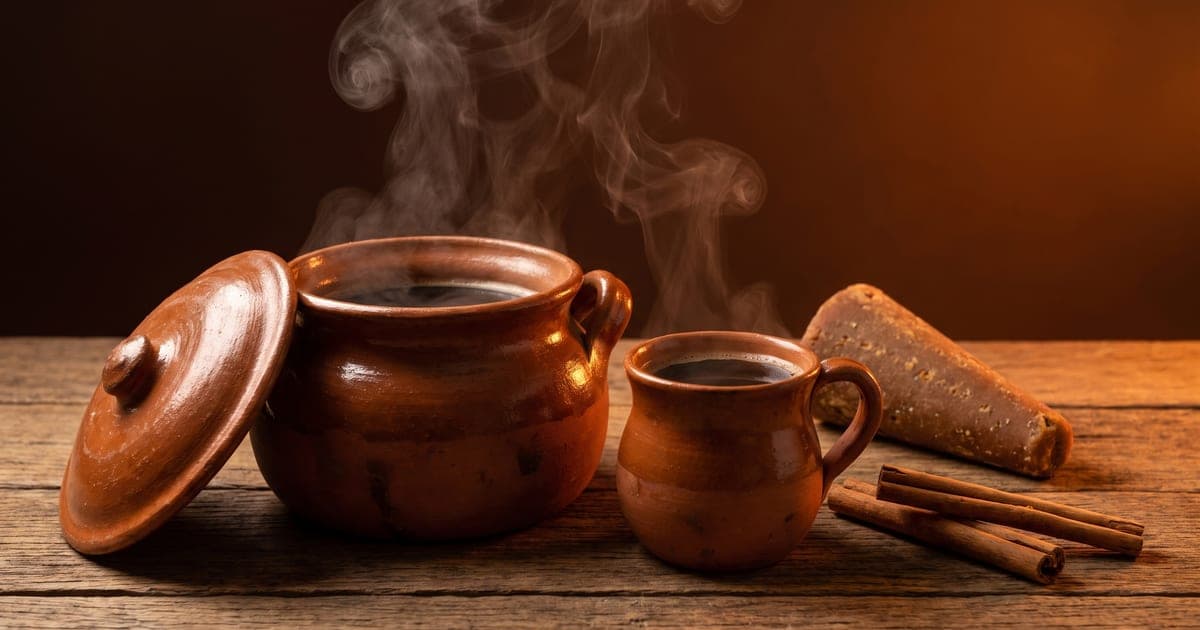
Café de Olla: Traditional Mexican Coffee with Piloncillo and Cinnamon
 Drinks
Mangonada Recipe: How to Make a Mango Chamoy Slush at Home
 Drinks
Mexican Horchata Recipe: How to Make Creamy Horchata at Home
 Candy & desserts
Mexican Wedding Cookies (Polvorones): An Easy Homemade Recipe