
🍮Mexican Desserts: The Classics Every Family Knows
The most classic Mexican desserts are flan, arroz con leche (Mexican rice pudding), chocoflan, cajeta with obleas, gelatinas, buñuelos, churros, polvorones, capirotada and pan de elote, plus old-school sweets like glorias, cocadas and mazapán. Most of them come from a handful of ingredients (milk, sugar, cinnamon, eggs, corn or piloncillo), and many have their own season: capirotada during Lent, buñuelos at Christmas. Here's what each one is, when it's eaten, and which ones you can make straight from your pantry.
Updated · 6 min read · By the MexGoodies team
In this guide ▾
- What are the most classic Mexican desserts?
- What is Mexican flan?
- What is Mexican arroz con leche?
- Which Mexican desserts belong to each season?
- Which traditional Mexican sweets are eaten as dessert?
- Which Mexican desserts can you make from pantry staples?
- Where can you buy Mexican dessert ingredients in the U.S.?
- FAQ
What are the most classic Mexican desserts?
The most classic Mexican desserts are flan, arroz con leche, chocoflan, cajeta with obleas, gelatinas, buñuelos, churros, polvorones, capirotada and pan de elote. This table sums up what each one is and when it usually shows up:
| Dessert | What it is | When it's eaten |
|---|---|---|
| Flan | Egg and milk custard cooked in a water bath in a caramel-lined mold | Year-round, after a meal |
| Arroz con leche | Rice simmered slowly in milk with cinnamon and sugar | Year-round, warm on cold days or chilled from the fridge |
| Chocoflan | Chocolate cake and flan baked together in one pan | Birthdays and parties |
| Cajeta with obleas | Two thin flour wafers (obleas) with cajeta in the middle | Street fairs, candy stands and any-afternoon cravings |
| Gelatinas | Gelatin made with water or milk, or the multicolor mosaic kind | Kids' parties, posadas and family gatherings |
| Buñuelos | Thin, crisp fried dough with piloncillo syrup or cinnamon sugar | Posadas and the Christmas season, plus street fairs |
| Churros | Fried strips of dough rolled in cinnamon sugar | Year-round, with hot chocolate |
| Polvorones | Butter and pecan cookies coated in powdered sugar | Weddings, posadas and Christmas |
| Capirotada | Layered bread soaked in cinnamon piloncillo syrup, with cheese, raisins and peanuts | Lent and Holy Week |
| Pan de elote | Moist cake made with fresh blended corn, eggs and butter | Afternoon snack, with coffee or atole |
What is Mexican flan?
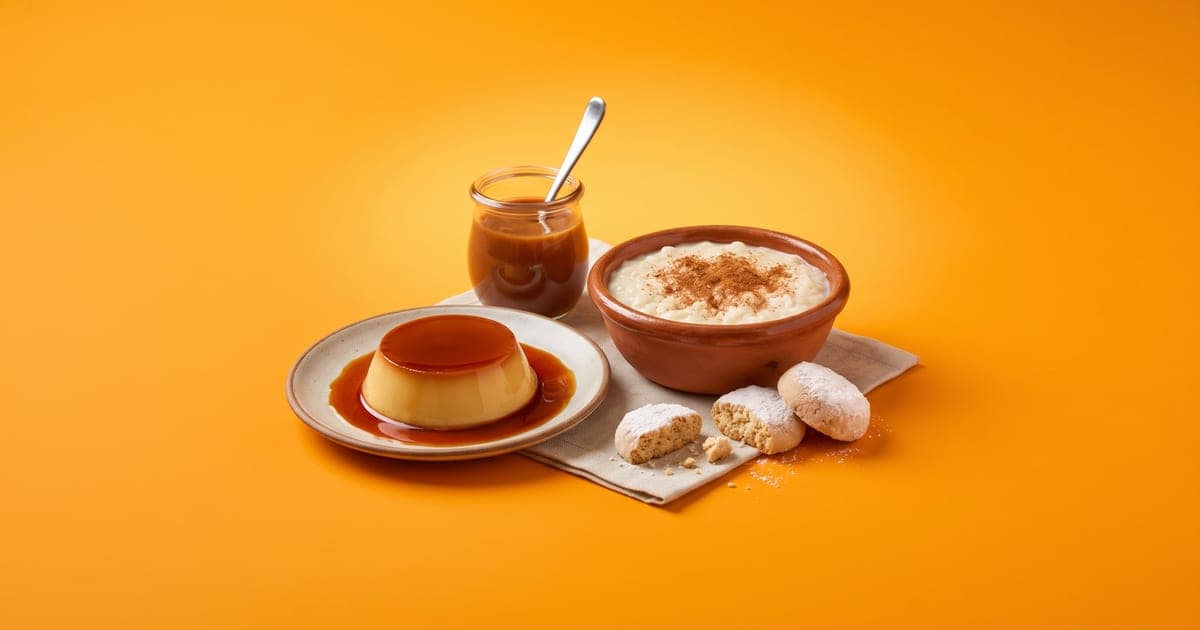
Mexican flan is an egg, milk and sugar custard cooked in a water bath (baño maría) in a caramel-lined mold, and when you flip it out it's glossy and covered in its own caramel sauce. The most common homemade version in Mexico uses evaporated milk, sweetened condensed milk, eggs and vanilla, which makes it creamier and sweeter than a flan made with plain milk.
Flan has Spanish roots, but in Mexico every family has its own recipe. There's flan napolitano, made with cream cheese for a firmer, denser slice, plus cajeta, coffee and coconut flans. It can be baked in the oven or cooked on the stove in a flan mold or a covered pot. And if you want something quicker, there are boxed flan mixes like D'Gari's, which comes with its own caramel packet: you cook it with milk on the stove and let it set in the fridge, no oven needed.
Homemade flan
The most common version in Mexico
- Evaporated milk, sweetened condensed milk, eggs and vanilla
- Cooked in a water bath in a caramel-lined mold
- In the oven or on the stove
- Creamier and sweeter than a plain-milk flan
Boxed flan mix
Like D'Gari's
- Comes with its own caramel packet
- Cooked with milk on the stove
- Sets in the fridge, no oven needed
- The quicker option
What is Mexican arroz con leche?
Mexican arroz con leche is white rice cooked first in water with cinnamon, then in milk with sugar over low heat, until it turns creamy and the grains start to break down. Many families finish it with a splash of sweetened condensed or evaporated milk for extra body and serve it with ground cinnamon on top.
It's one of the simplest desserts in Mexican cooking and one of the most homey. Some people add raisins and some pick them out with their spoon; some perfume it with lime or orange peel and some leave it alone. It's eaten warm on cold afternoons or cold from the fridge in summer.
Which Mexican desserts belong to each season?
Many Mexican desserts have a season: capirotada belongs to Lent, buñuelos and polvorones belong to December, and flan and arroz con leche are eaten all year. Here's how the sweet calendar breaks down:
- Lent and Holy Week: capirotada, layered bread soaked in syrup made from piloncillo, the unrefined cane sugar sold in cones.
- Día de Muertos: besides pan de muerto, there's calabaza en tacha, pumpkin cooked in piloncillo syrup with cinnamon.
- December: buñuelos at the posadas, polvorones on the Christmas table, and rompope or milk gelatinas at every party.
- Birthdays and parties: chocoflan, gelatinas in little cups and tres leches cake.
- Street fairs and stands: churros, obleas with cajeta, cocadas and buñuelos.
- All year: flan, arroz con leche and pan de elote, the desserts of Sunday lunch.
- capirotada, layered bread soaked in piloncillo syrup
- Lent
- pan de muerto and calabaza en tacha
- Día de Muertos
- buñuelos, polvorones and rompope gelatinas
- December
- flan, arroz con leche and pan de elote
- All year
Which traditional Mexican sweets are eaten as dessert?
The traditional sweets eaten as dessert in Mexico are milk candies like glorias and jamoncillo, cocadas, peanut mazapán and cajeta, usually alongside after-dinner coffee. These are the ones you'll always find:
- Glorias: goat's milk caramel candies with pecans, a specialty of Linares, Nuevo León, each one wrapped in red cellophane.
- Jamoncillo: a firm bar of milk cooked down with sugar, sometimes with pecans.
- Cocadas: shredded coconut cooked with sugar, sometimes with milk, sold as little rolls, bars or toasted on top.
- Mazapán: ground peanut candy that crumbles at a touch. European marzipan is made with almonds; Mexican mazapán is made with peanuts, and De la Rosa is the classic brand.
- Cajeta: Mexico's milk caramel, traditionally made with goat's milk, spread on obleas or eaten by the spoonful.
Which Mexican desserts can you make from pantry staples?
From pantry staples you can make flan, arroz con leche, gelatinas, carlota de limón and obleas or crepes with cajeta, since almost everything comes in a can, a packet or a jar and you only add milk, eggs or limes from your grocery store. Here's what each one takes:
- Flan: evaporated milk, sweetened condensed milk, vanilla and sugar for the caramel. You buy the eggs fresh.
- Arroz con leche: long-grain rice, cinnamon sticks and sweetened condensed milk. Whole milk comes from any grocery store.
- Gelatina: a packet of D'Gari gelatin, either the water kind (like strawberry) or the milk kind (like rompope, Mexico's eggnog-style flavor), plus a few hours in the fridge.
- Carlota de limón: layers of Marías cookies with a cream made by blending sweetened condensed milk, evaporated milk and lime juice. It sets in the fridge, no oven.
- Obleas or crepes with cajeta: open a jar of cajeta and you're done. For crepes you just need flour, milk and eggs.
- The ones that need fresh ingredients: capirotada calls for bakery bolillo rolls and pan de elote for fresh corn. Those come from your grocery store or your neighborhood bakery.
Where can you buy Mexican dessert ingredients in the U.S.?
You'll find the pantry ingredients for Mexican desserts (evaporated milk, sweetened condensed milk, cajeta, obleas, gelatin and boxed flan) at MexGoodies, which sells original Mexican products and ships anywhere in the U.S. in 3 to 7 days (Canada too).
If you're going to start with one, start with flan: two cans, a few eggs and an afternoon, and Sunday dessert is handled.
Everything in this guide, shipped to your door
Frequently asked questions
What is the most famous Mexican dessert?
There's no official one, but flan is among the best known in and outside Mexico, along with arroz con leche and churros.
What's the difference between flan and chocoflan?
Flan is just the egg and milk custard with caramel. Chocoflan combines chocolate cake and flan in one pan; as it bakes, the layers trade places on their own, which is why it's also called pastel imposible, the impossible cake.
Does Mexican flan have condensed milk?
The most common homemade recipe does: sweetened condensed milk, evaporated milk, eggs and vanilla. There are also lighter flans made with whole milk and sugar.
What dessert is eaten during Holy Week in Mexico?
Capirotada, a layered bread pudding with piloncillo syrup, cinnamon, cheese, raisins and peanuts. Every family builds it its own way.
How long does flan keep in the fridge?
Covered, about 3 days. Refrigerate it as soon as it cools and don't leave it out for hours, since it's made with eggs and milk.
Craving it already? 😏
More recipes & guides
See all →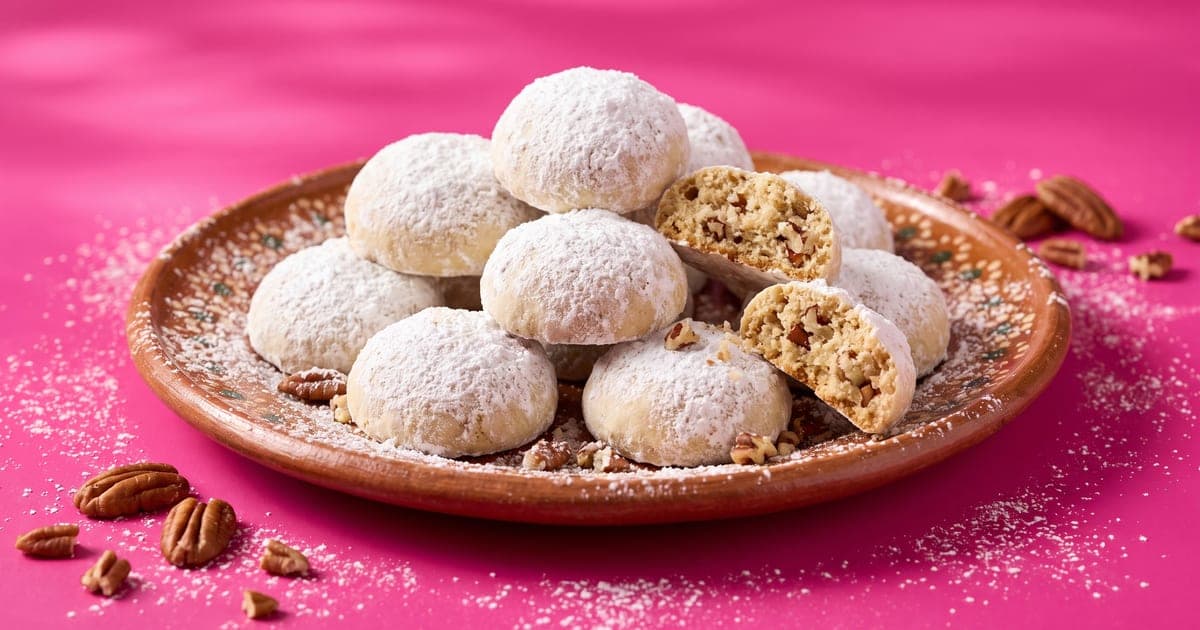 Candy & desserts
Mexican Wedding Cookies (Polvorones): An Easy Homemade Recipe
 Candy & desserts
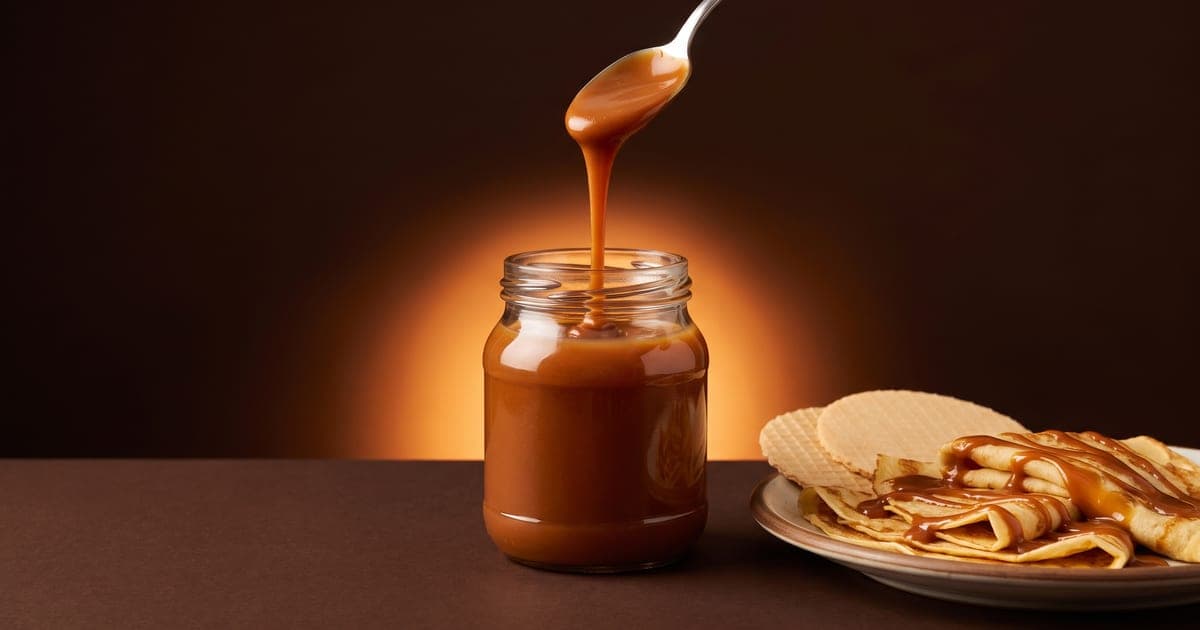
What Is Cajeta? Mexico's Goat Milk Caramel, Explained
 Candy & desserts
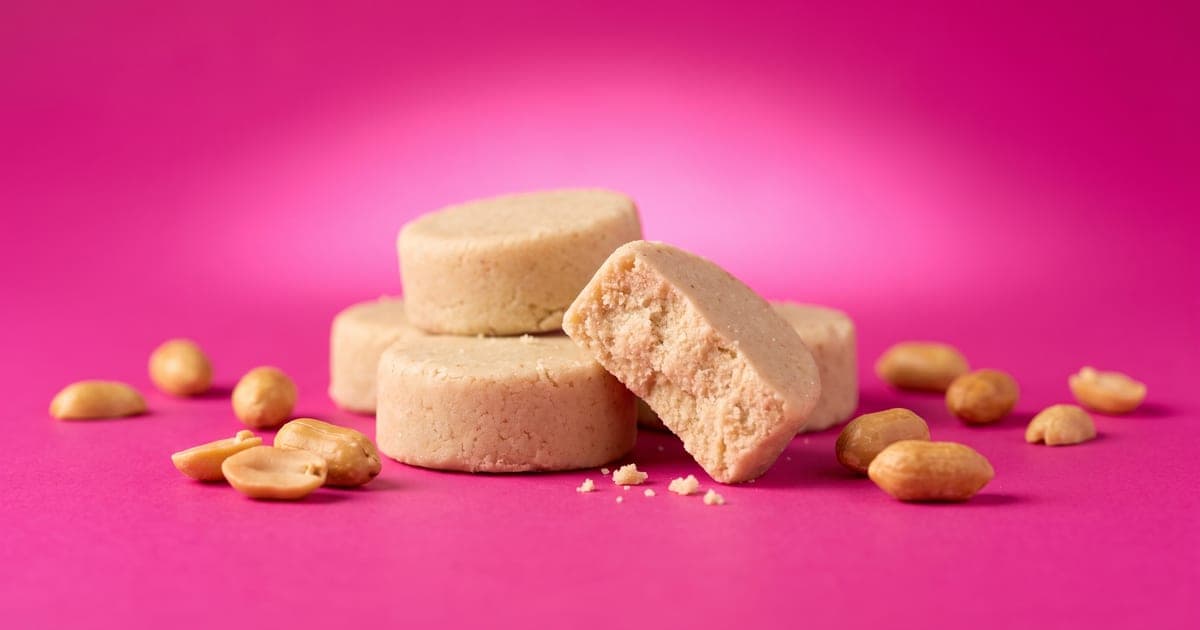
De la Rosa Mazapan: What It Is, What It's Made Of and How to Open It
 Candy & desserts
Lucas Candy: What It Is, Every Kind and How to Eat It
 Candy & desserts
Mexican Sweet Bread: Types, Names and How to Eat Pan Dulce
 Candy & desserts
What Is Chamoy? Mexico's Sweet, Sour and Spicy Sauce, Explained