
🍯What Is Cajeta? Mexico's Goat Milk Caramel, Explained
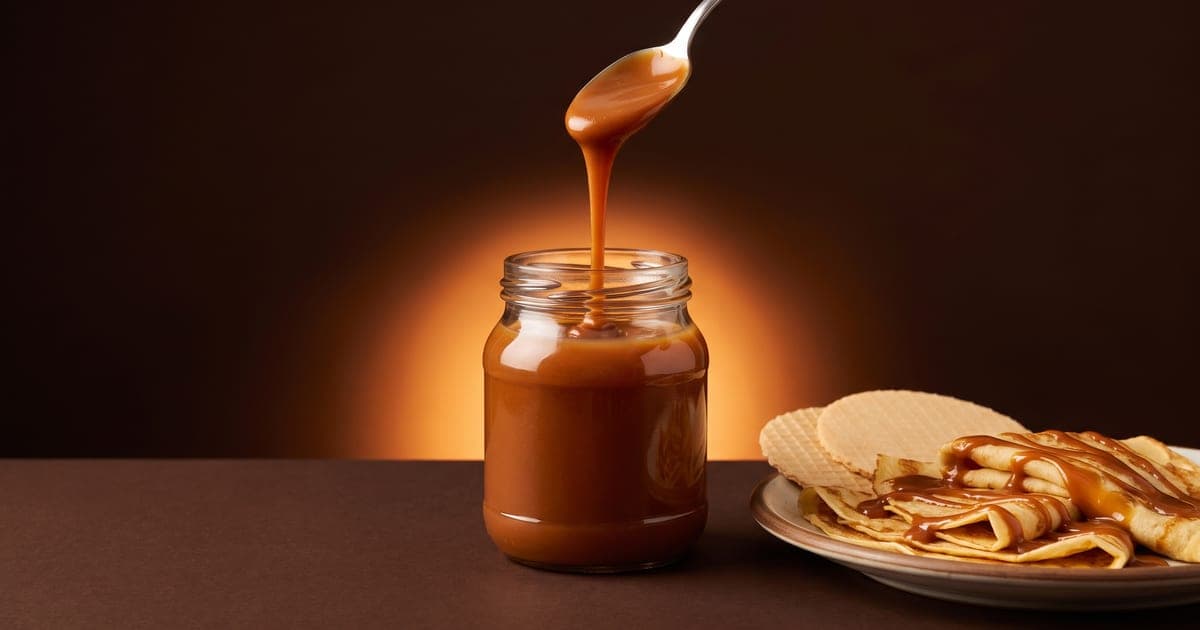
Cajeta is a Mexican caramel made by slowly cooking milk, traditionally goat's milk, with sugar until it turns thick, glossy and amber. There's no exact English word for it, so it's usually just called cajeta or described as goat milk caramel. It's closely tied to Celaya, in the state of Guanajuato, and it gets spread on obleas, drizzled over crepes and pancakes, or eaten straight off the spoon.
Updated · 6 min read · By the MexGoodies team
In this guide ▾
What is cajeta, and where is it from?
Cajeta is a Mexican sweet made from milk, traditionally goat's milk, slowly cooked with sugar until it thickens and caramelizes, and it's most closely associated with Celaya, in the state of Guanajuato. The basic recipe is milk, sugar and a pinch of baking soda, which helps keep the milk from curdling and helps it brown; some cooks add cinnamon or vanilla. Many brands today blend goat's milk with cow's milk, so check the label if that matters to you.
Celaya, in the Bajío region of central Mexico, is the city most people connect with cajeta, which is why you'll often hear cajeta de Celaya, even though it's made in many parts of the country today. As for the name, the usual story is that it comes from the small wooden boxes it used to be sold in.
One thing that trips people up: in some parts of Latin America, the word cajeta is also used for other sweets, like certain coconut or fruit candies. That's why some people say cajeta de leche, milk cajeta, to make clear they mean the one made from milk cooked down with sugar.
What is cajeta in English?
There's no exact English word for cajeta, so most people just call it cajeta, or describe it as goat milk caramel. You'll also see it called Mexican caramel or goat's milk caramel sauce in recipes and on menus.
Calling it plain caramel undersells it, since caramel in English usually means sugar melted until golden (with or without cream), not milk slowly cooked down for hours. And while they're close cousins, it isn't quite dulce de leche either, which is made with cow's milk. If you're asking for it at a store, cajeta works fine. It's pronounced kah-HEH-tah.
What's the difference between cajeta quemada and cajeta envinada?
Cajeta quemada (burnt cajeta) is cooked longer until it's darker, with a deeper caramel flavor, while cajeta envinada has a touch of wine or liquor that gives it a richer, almost boozy sweetness. Quemada doesn't actually taste burnt: the name just means it's taken to a darker, toastier caramel.
Quemada is the all-purpose one: obleas, crepes, pancakes, anything you can think of. Many people save envinada for grown-up desserts, over ice cream, flan or fruit, and since its recipe includes wine or liquor, check the label before giving it to kids. Coronado, for example, makes both in a 333 g squeeze bottle, no spoon required.
Cajeta quemada
The all-purpose one
- Cooked longer until it's darker
- Deeper caramel flavor
- It doesn't taste burnt: it's just a toastier caramel
- Goes on obleas, crepes, pancakes, anything you can think of
Cajeta envinada
With wine or liquor
- Has a touch of wine or liquor
- A richer, almost boozy sweetness
- For grown-up desserts: ice cream, flan or fruit
- Check the label before giving it to kids
Cajeta vs dulce de leche vs caramel: what's the difference?
Cajeta is traditionally made with goat's milk, dulce de leche with cow's milk, and caramel with nothing but melted sugar, sometimes plus cream and butter, which is why cajeta has the boldest flavor of the three. Dulce de leche is a staple in Argentina, Uruguay and much of South America, and while it's very similar, it doesn't taste the same. This table compares all three, plus sweetened condensed milk, which gets mixed up with them too:
| Sweet | Milk used | How it's made | Flavor and texture |
|---|---|---|---|
| Cajeta | Goat's milk (traditional) or a goat and cow blend | Milk and sugar slowly cooked until caramelized | Thick and glossy, amber colored, bold flavor with a slight tang |
| Dulce de leche | Cow's milk | Milk and sugar slowly cooked until caramelized | Creamy, with a milder, milky flavor |
| Caramel | None, or cream in the sauce version | Sugar melted until golden | Toasted sugar flavor; can be runny or hard |
| Sweetened condensed milk | Cow's milk | Milk concentrated with sugar, not caramelized | White, very sweet, no toasted flavor |
How do you eat cajeta?
Cajeta gets spread between two obleas, drizzled over crepes and pancakes, spooned onto ice cream, piped into churros or eaten straight from the spoon. These are the favorite ways to use it:
- Obleas with cajeta: two obleas, thin round flour wafers, with cajeta in the middle. It's the classic at street fairs and candy stands, and they come small or plate-sized.
- Crepes with cajeta: folded into triangles, drizzled with warm cajeta and topped with chopped pecans.
- Pancakes and waffles: a ribbon of cajeta instead of maple syrup.
- Ice cream and flan: warm cajeta over vanilla ice cream or on top of a flan, a two-minute dessert.
- Churros, toast and cookies: pipe it into churros or spread it on toast or Marías cookies.
- Fruit: with sliced banana or apple.
- Cajeta candy: cajeta-flavored lollipops and little leche quemada cones, cajeta so thick it's rolled into a cone shape.
How do you store cajeta?
Keep unopened cajeta in the pantry, somewhere cool and dry, and once it's open, keep it tightly closed and follow the label, which for many brands means the fridge. Cold cajeta gets thicker: to loosen it, set the jar in warm water for a few minutes, or warm just the portion you need in a bowl, over low heat or in the microwave in short bursts.
Over time, little sugar crystals sometimes form; that doesn't mean it's gone bad, and gently warming it with a teaspoon of milk smooths it out. Always use a clean, dry spoon, and if it ever smells off, shows mold or tastes sour, throw it out.
- Unopened, somewhere cool and dry
- Pantry
- Once open, if the label says so (many brands do)
- Fridge
- To loosen it after it thickens in the cold
- Warm water
- Always scoop it with a clean, dry spoon
- Dry spoon
Where can you buy cajeta in the U.S.?
You can buy Mexican cajeta at MexGoodies, which sells original Mexican products and ships anywhere in the U.S. in 3 to 7 days (Canada too): Coronado cajeta quemada and envinada in 333 g squeeze bottles, the quemada in a 310 g jar, and San Gabriel goat's milk cajeta quemada in a 600 g jar.
For a ready-made treat, there are Bernal's large obleas with cajeta, Coronado's cajeta-flavored lollipops and a tray of little leche quemada cones. If it's your first time, start with the quemada in a squeeze bottle and a pack of obleas, and you'll understand right away why people miss cajeta so much when they're far from home.
Everything in this guide, shipped to your door
Frequently asked questions
Is cajeta the same as dulce de leche?
They're cousins, not twins. Both are milk and sugar cooked until caramelized, but traditional cajeta uses goat's milk and dulce de leche uses cow's milk, and that changes the flavor.
What is cajeta de leche?
It's just another way of saying regular cajeta, the kind made from milk cooked with sugar. People say it to set it apart from other sweets that are also called cajeta in some regions.
What are obleas with cajeta?
Two obleas, very thin, crisp flour wafers, with a layer of cajeta in between. It's a classic Mexican street fair treat.
Does cajeta envinada contain alcohol?
Its recipe includes wine or liquor. How much remains depends on the brand, so if it's for kids or someone who avoids alcohol, check the label.
Can you make cajeta at home?
Yes: you cook milk with sugar and a pinch of baking soda over low heat, stirring almost constantly, until it thickens and darkens. It takes a while, which is why many people keep a jar in the pantry instead.
Craving it already? 😏
More recipes & guides
See all → Candy & desserts
Mexican Wedding Cookies (Polvorones): An Easy Homemade Recipe
 Candy & desserts
Mexican Desserts: The Classics Every Family Knows
 Candy & desserts
De la Rosa Mazapan: What It Is, What It's Made Of and How to Open It
 Candy & desserts
Lucas Candy: What It Is, Every Kind and How to Eat It
 Candy & desserts
Mexican Sweet Bread: Types, Names and How to Eat Pan Dulce
 Candy & desserts
What Is Chamoy? Mexico's Sweet, Sour and Spicy Sauce, Explained