
🍋What Is Tajín Seasoning and How Do You Use It?
Tajín seasoning is a Mexican chile-lime powder made from ground dried chiles, sea salt and dehydrated lime. It tastes more tangy and salty than hot (Tajín Clásico is mild), which is why it gets sprinkled on fruit, corn, snacks and drink rims without setting anyone's mouth on fire. Here's what's in Tajín, the versions you can buy and more than a dozen ways to use it.
Updated · 5 min read · By the MexGoodies team
In this guide ▾
What is in Tajín seasoning?
Tajín has three main ingredients: ground dried chiles, sea salt and dehydrated lime juice. That's what the Tajín Clásico label lists, and the big 400 g bottle also includes citric acid, for extra tang, and a little silicon dioxide, an anti-caking agent that keeps the powder from clumping. The label only says it's a blend of chiles, without naming them. Articles about the brand mention chile de árbol, guajillo and pasilla, but the exact recipe isn't printed on the bottle.
Tajín is also the brand name: a Mexican company from Jalisco. Horacio Fernández created the seasoning in 1985, wanting to capture the flavor of a family sauce in powder form, and the name comes from El Tajín, the archaeological site in Veracruz. Today it's one of those flavors that tastes like a street fruit cart on a hot afternoon.
Is Tajín spicy?
Not very. Tajín Clásico is mild: what hits first is the sour lime and the salt, and the chile shows up after as a gentle, even warmth that doesn't burn. That's why it's the chile powder that goes on the table for everyone, kids and grown-ups, and the one people shake over fruit without thinking twice.
If you want more heat, Tajín Habanero adds habanero to the blend and is noticeably hotter than the classic. And if you're watching your salt, the reduced-sodium Tajín Clásico tastes very close to the original with less sodium.
What kinds of Tajín are there?
Besides the classic, Tajín makes a hotter version, a reduced-sodium one, a sweet one, a rimmer for glasses and its own liquid chamoy. Here are the versions in this guide and what each one is for:
The Clásico comes in several sizes: the small 80 g bottle fits in a purse or lunch bag, the 142 g is the everyday table size, and the 400 g bottle is for parties, fruit stands and homes where it goes on everything.
| Version | What it's like | Best for |
|---|---|---|
| Tajín Clásico | Chile, sea salt and dehydrated lime; tangy, salty and mild | Fruit, corn, snacks and rimming glasses |
| Reduced-sodium Tajín Clásico | Tastes very close to the classic, with less sodium | Same uses, for anyone cutting back on salt |
| Tajín Habanero | The same chile, salt and lime, plus habanero and a lot more heat | Tajín fans who want it hotter |
| Tajín Dulce | Tajín's sweet version of its chile powder | Fruit, ice pops, gummies and drink rims |
| Tajín Rimmer | Made for rimming: you dip a wet glass rim straight into the seasoning | Agua fresca, mangonada and michelada glasses |
| Tajín Chamoy sauce | Liquid chamoy: sweet, sour and salty with a chile backbone | Drizzling on mango and watermelon, gummies, shaved ice and rims |
How do you use Tajín? 14 easy ideas
Tajín adds a tangy, salty, lightly spicy kick to almost anything fresh, sweet or crunchy. The rule in Mexican homes is simple: if it goes with lime, it goes with Tajín. These are the classics:
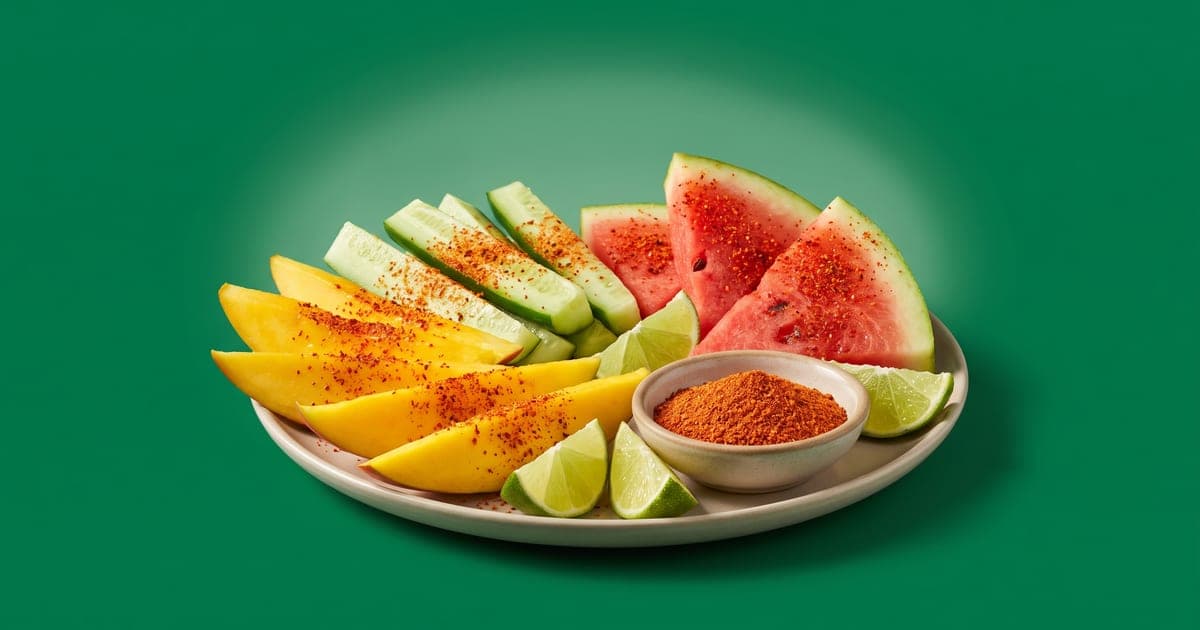
- Cut fruit: mango, watermelon, pineapple, cantaloupe, papaya and jícama (a crisp, juicy root), with lime and Tajín.
- Cucumber spears or slices, with lime, Tajín and a thin drizzle of chamoy.
- Elote, Mexican street corn on the cob, with mayo, cheese and Tajín.
- Esquites, corn kernels served in a cup, finished with a dash of Tajín.
- Rimming glasses, which means coating the rim with chile, for micheladas, lemonade and aguas frescas.
- Aguas frescas (fruit drinks made with water and sugar) like mango, watermelon or lime, with a pinch stirred in.
- Mangonadas and chamoyadas, between layers of mango and chamoy.
- Fresh popcorn, with a little butter or lime so the powder sticks.
- Potato chips, French fries and chicharrones de harina (puffed wheat snacks), with lime.
- Peanuts, pepitas and toasted seeds for snacking.
- Fruit ice pops and sorbets, especially mango, lime or tamarind.
- Gummies rolled in chamoy and then in Tajín, for chile-covered candy.
- Raw veggie snacks like carrot, jícama and cucumber, with lime.
- Eggs, avocado, grilled fish or chicken: a pinch right before serving, like lime salt.
How do you use chamoy and Tajín together?
To use chamoy and Tajín together, add the chamoy first, since it's liquid and sticky, then the Tajín, which clings right on top. Chamoy is a sweet, tangy and slightly spicy Mexican sauce, and Tajín is a dry powder; together they taste like a Mexican fruit cart: sweet, sour, salty and gently hot.
Here's how the pair shows up: cut fruit with a splash of chamoy and Tajín on top; glasses rimmed in chamoy first and then in the powder; mangonadas layered with mango, chamoy and chile; and gummies or pickles coated in chamoy and rolled in Tajín. If you want the same brand for both steps, Tajín makes its own liquid chamoy, Tajín Chamoy sauce.
Chamoy
Goes first
- A liquid, sticky Mexican sauce
- Sweet, tangy and slightly spicy
- Helps the powder stick
- Tajín makes its own: Tajín Chamoy sauce
Tajín
Goes on top
- A dry chile, salt and lime powder
- Tangy, salty and mild
- Clings right on top of the chamoy
- Together they taste like a Mexican fruit cart
How do you rim a glass with Tajín?
To rim a glass with Tajín, wet the rim with lime or chamoy and dip it in the powder before you pour. In Mexico it's the signature of a michelada, but it looks just as good on lemonade, agua de jamaica (hibiscus water) or a mangonada, so everyone at the table gets a rimmed glass. Step by step:
Step 1: Set out the seasoning
Spread some Tajín on a flat plate, or use the Tajín Rimmer, which is made for exactly this.
Step 2: Wet the rim
Run a lime wedge all the way around the rim. For more flavor and better grip, use chamoy instead of lime.
Step 3: Press into the powder
Turn the glass upside down and press the rim into the powder, twisting a little for an even coat.
Step 4: Tap off and pour
Flip it back over, tap off the excess and pour slowly so you don't wet the rim.
Where can you buy Tajín in the U.S.?
You can buy Tajín online at MexGoodies, which carries every version in this guide: Clásico in 80 g, 142 g and 400 g, reduced-sodium, Habanero, Dulce, the Rimmer and Chamoy sauce. They're original Mexican products, and they ship anywhere in the U.S. in 3 to 7 days (Canada too). If you're placing an order, the classic combo is one Tajín, one chamoy and a serious craving for fruit.
Everything in this guide, shipped to your door
Frequently asked questions
Is Tajín Mexican?
Yes. Tajín is a Mexican brand from Jalisco, and its classic seasoning was created in 1985.
Does Tajín have real lime in it?
Yes. The Tajín Clásico label lists dehydrated lime juice, and some sizes also include citric acid for extra tang.
What chiles are in Tajín?
The label just says it's a blend of chiles. Articles about the brand mention chile de árbol, guajillo and pasilla, but Tajín doesn't spell out its recipe on the bottle.
What's the difference between Tajín and chamoy?
Tajín is a dry chile, salt and lime powder; chamoy is a sweet-and-sour liquid sauce. They work as a team: chamoy first, then Tajín.
Which Tajín is the hottest?
Of the versions in this guide, Tajín Habanero, which includes habanero and is noticeably hotter than the Clásico.
How should you store Tajín?
Tightly closed, somewhere cool and dry, away from stovetop steam. If it clumps, that's moisture: break it up with a spoon and check the best-by date on the label.
Craving it already? 😏
More recipes & guides
See all →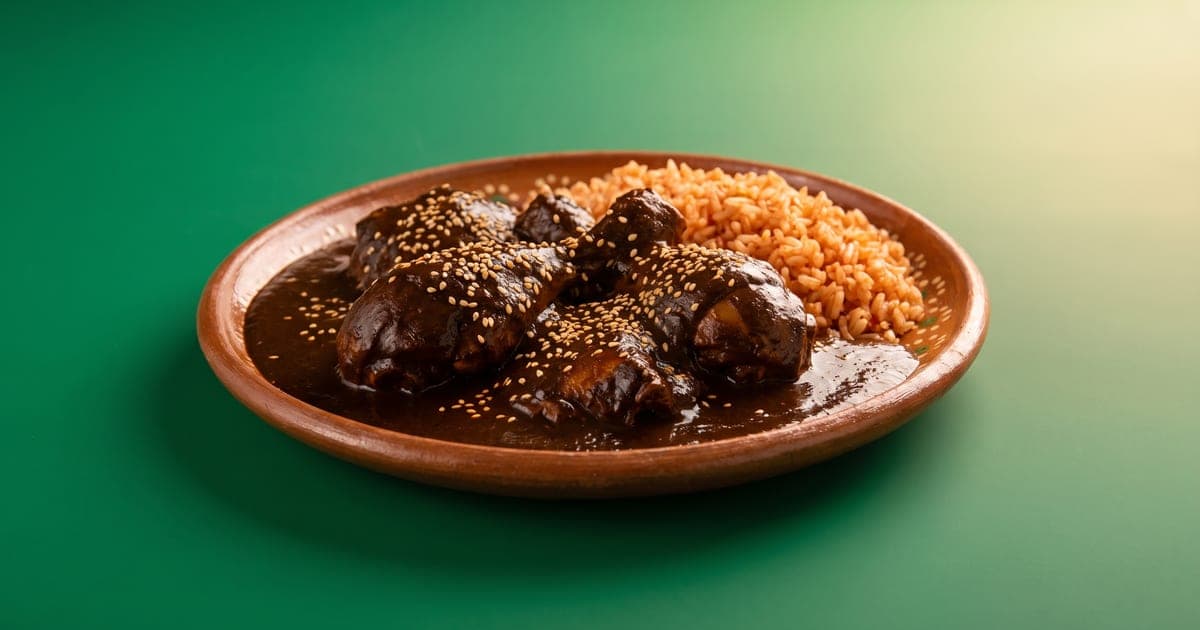 Mexican cooking
What Is Mexican Mole Sauce? Types, Flavor and an Easy Chicken Mole
 Mexican cooking
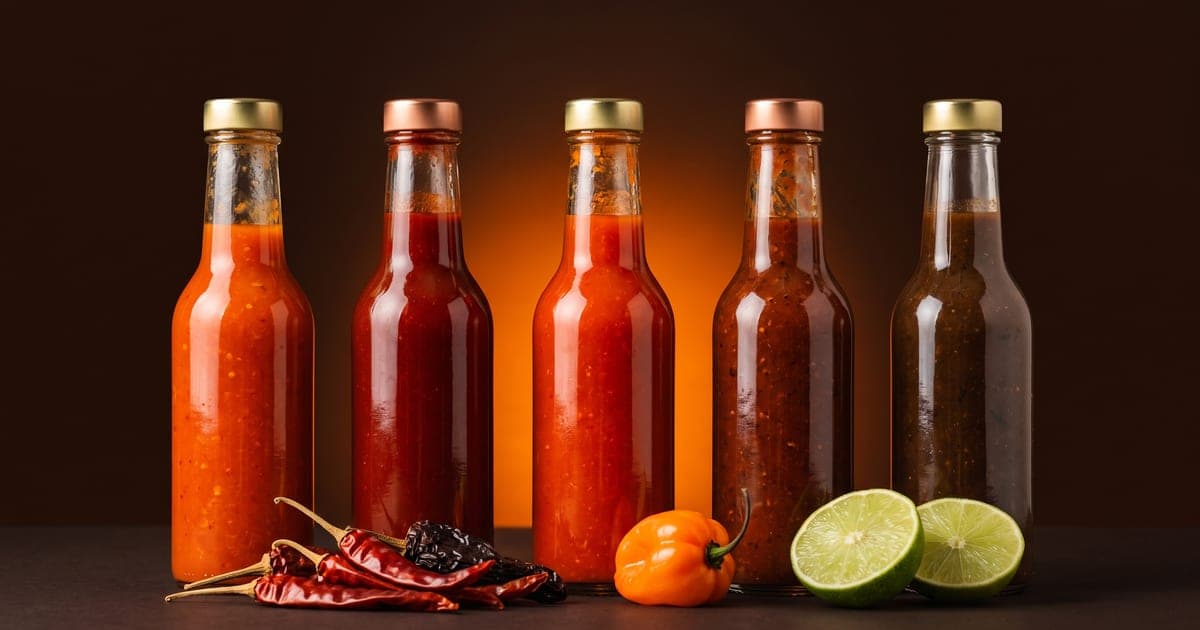
Mexican Hot Sauce Brands: Which Is Which and What Each One Is For
 Mexican cooking
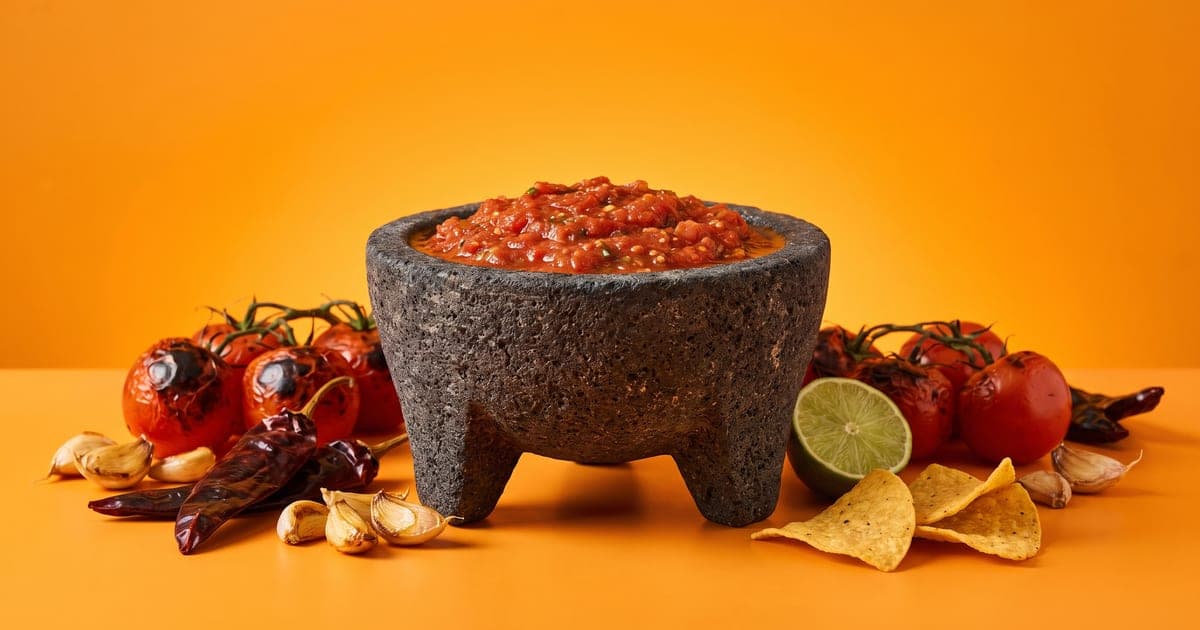
Mexican Salsa Recipe: Authentic Roasted Red Salsa in a Molcajete
 Mexican cooking
Mexican Breakfast: 9 Classic Mexican Breakfast Dishes to Make at Home
 Mexican cooking
How to Make Tamales: Red Pork Tamales and an Easy Tamale Masa Recipe
 Mexican cooking
How to Season a Molcajete, Step by Step